
Industries
Hospital and Healthcare Security in Palo Alto
Hospital security guards and healthcare officers in Palo Alto for emergency entrances, lobbies and waiting rooms, parking structures, visitor checks and night shifts, at hospitals, clinics and medical office buildings.
Request a quoteCall (650) 457-8658
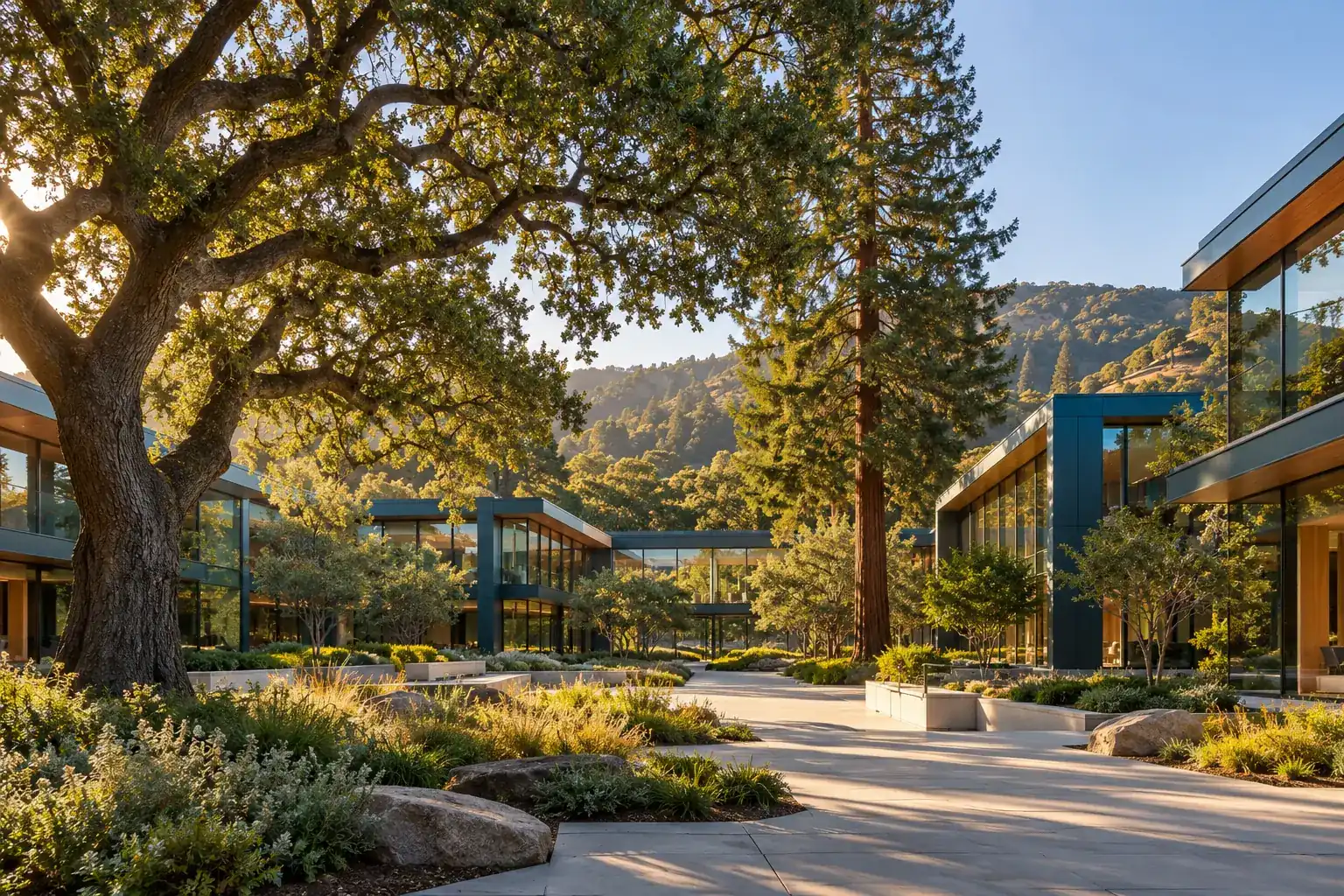
Security that leaves clinicians free to care
Security at a hospital or clinic covers everything around the care itself. Officers manage entrances, visitors, waiting areas, parking and reporting, so nurses and physicians can stay with their patients. Care decisions belong to your clinical staff; the officer keeps the spaces around them calm and orderly.
In practice, the post orders come straight from the facility’s own security and emergency plans: which doors open at which hours, how visitors are badged, who the officer calls for a medical concern and who for a security one. We begin with a free walkthrough with your facilities or security lead and set the posts out in a written quote.
Emergency entrances
The emergency entrance is the busiest and least predictable post. The officer keeps the ambulance bay and drop-off lane clear, greets each arrival, points people toward triage and keeps an eye on the waiting room. Families arrive frightened and sometimes angry, and a level voice and a little patience settle most moments before they grow.
When a situation goes beyond a calm word, the officer follows your escalation list, stays close to staff and calls 911 where there is a risk to anyone. Each incident is written up with the time, the people involved and the outcome.
Lobbies, waiting rooms and visitor checks
Lobby officers check visitors against your policy, issue visitor badges, explain visiting hours and help lost visitors find the right floor. After visiting hours, many hospitals bring everyone through a single entrance, and the officer at that door confirms each visitor with the unit before they go up.
Waiting rooms are watched without hovering. Unattended bags, people who seem unwell or distressed, and disputes over the wait are noticed early and handed to the right staff member.
Parking structures and walkways
Parking structures are where staff feel least safe, particularly at shift change late in the evening or before dawn. Officers patrol garage levels, stairwells, elevators and walkways, check the pay stations and walk staff to their cars on request. Vehicle break-ins and people sheltering in stairwells are reported with photos.
Patrol routes also take in ambulance and delivery approaches, bicycle racks and the paths between buildings. Lighting that has failed, a gate left open or a car parked across an emergency lane is corrected on the spot when it can be, or reported to facilities for repair.
Night shifts
Overnight, a hospital narrows to a few open doors and a reduced staff. The officer covers the entrance that stays open, walks the perimeter, checks the loading dock, offices and areas that should be locked, and remains available to any unit that calls. A shift report reaches your contacts by email at the end of every shift.
Clinics and medical office buildings
Clinics and medical office buildings across Palo Alto, from El Camino Real to the California Avenue district, need the same work on a smaller scale: a lobby officer during clinic hours, a check of the lot as evening appointments end and patrols after closing. Our medical office security page covers that setting in detail, and our medical office security guide sets out the questions to settle before a post begins. Treatment programs are covered on our rehab and treatment facility page.
Hospital security costs in Palo Alto
Healthcare posts are priced per officer hour, and in 2026 on-site officers in Palo Alto generally run $36 to $50 an hour. Round-the-clock entrance coverage, the number of posts and parking patrol hours drive most of the total, and temporary officers can often start within 24 hours for a surge or a construction phase. Contracts are month to month.
Hospital posts are staffed by background-checked officers with BSIS guard cards, supervisors inspect each post for quality, and a certificate of insurance comes with every contract. Request a free walkthrough through the contact page.
A few useful answers
Common questions
What does a hospital security guard do day to day?
Manages entrances and visitors, watches lobbies and waiting rooms, patrols parking and walkways and writes up every incident. Officers keep the spaces around care calm so clinical staff can focus on patients.
How do officers handle an upset family member in the waiting room?
Calmly and early. The officer listens, keeps a level tone, gives the person space and brings in the charge nurse or the staff member your escalation list names.
Can officers walk staff to their cars at shift change?
Yes. Escorts through the garage and lot can be built into the post orders for evening and early-morning shift changes, or provided on request whenever staff ask.
Is the same coverage available for a clinic or a medical office building?
Yes. Clinics and medical office buildings can have a lobby officer during clinic hours, evening lot checks or after-hours patrols, scaled to the building.
How quickly can extra officers be added?
Temporary officers can often start within 24 hours, which helps with a surge in visitors, a remodel or a temporary entrance change.