01 / Unarmed
Unarmed security guards
Discreet, approachable officers for offices, campuses and residential lobbies.
View details
Guide
How to brief an officer for a practice: the lobby and parking, written post orders, privacy at the front desk and a review once the first reports are in.
Request a quoteCall (650) 457-8658
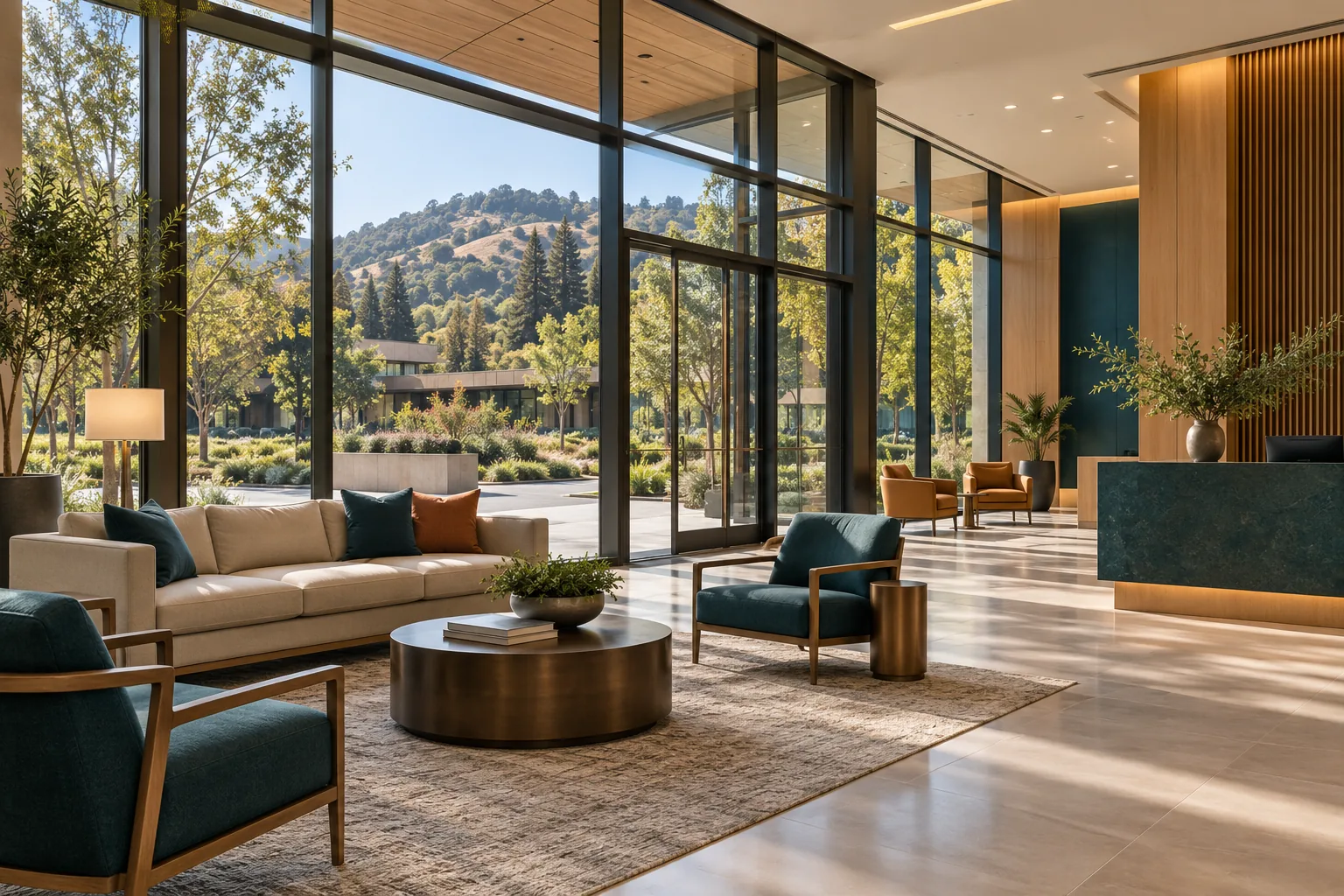
Medical and dental buildings serve patients who often arrive anxious or unwell, supported by front-desk teams managing full schedules. Effective security here is about composure and assistance.
This guide covers medical and dental office buildings and clinics; treatment programs have their own treatment facility page.
An officer near the entrance directs patients, maintains a calm waiting environment and supports staff if a visitor becomes agitated.
Early and late appointments mean patients and staff cross parking areas in low light. Regular rounds and an officer present at closing improve how safe people feel.
Patrol can check entries and parking overnight, and alarm response sends an officer to activations rather than calling the practice manager. All activity is logged and reported by email.
A practice can begin with opening and closing coverage and add lobby hours as needed. A free walkthrough clarifies the right level, on month-to-month terms.
Services
01 / Unarmed
Discreet, approachable officers for offices, campuses and residential lobbies.
View details02 / Alarms
An officer checks the property on activation, so your staff don’t have to.
View detailsPost orders for a medical building should read like the front desk’s own procedures. They say where the officer stands, how patients are greeted and directed, which doors stay locked and when, whom the officer reports to during the day and what to do when a visitor becomes upset. The practice approves them before coverage starts and updates them whenever procedures change.
Keep them short. An officer who can recall the instructions without checking a binder handles a tense moment with more composure.
Officers in a medical lobby overhear names, appointment types and conversations at the counter. Post orders should state plainly that officers don’t discuss patients, don’t handle charts or records and stand where they can see the room without listening in on check-in.
Incident reports should describe behavior and events, not medical details. Settle with the practice manager how a report refers to a patient, so the emailed record stays useful without saying more than it needs to.
Medical buildings see a steady flow of couriers, lab pickups, equipment technicians and cleaning crews, many outside office hours. A visitor and vendor log kept by the lobby officer during the day, together with patrol checks of entries at night, tells the practice whether a late entry was the scheduled cleaner or someone who had no business inside.
Share the vendor schedule with us so officers expect the regular courier and question the unfamiliar one. For alarms after closing, alarm response sends an officer instead of the practice manager.
Shift reports build a picture quickly. If incidents cluster in the late afternoon, lobby hours can shift to match; if the reports show quiet mornings, opening coverage can give way to patrol. Month-to-month terms make each of those changes a simple adjustment rather than a renegotiation.
Bring the front-desk lead into that review. Staff often know which patients, hours or entrances cause friction long before it appears in a report, and their view keeps the plan grounded in how the practice actually runs.
A few useful answers
Near the entrance, in most practices. It keeps the officer visible to arriving patients and out of earshot of check-in conversations.
Yes. A lobby post with rounds past each suite entrance suits a shared building, and practices can call the officer to their front desk when a situation calls for it. Our medical office security page covers shared buildings in more detail.
Look at where incidents happen. Trouble at the counter calls for a lobby presence; concerns limited to parking and after-hours entries are often met with patrol and alarm response.
Industries