01 / Unarmed
Unarmed security guards
Discreet, approachable officers for offices, campuses and residential lobbies.
View details
Guide
Common areas, parking, service corridors and closing: how to plan coverage for centers and retail districts.
Request a quoteCall (650) 457-8658
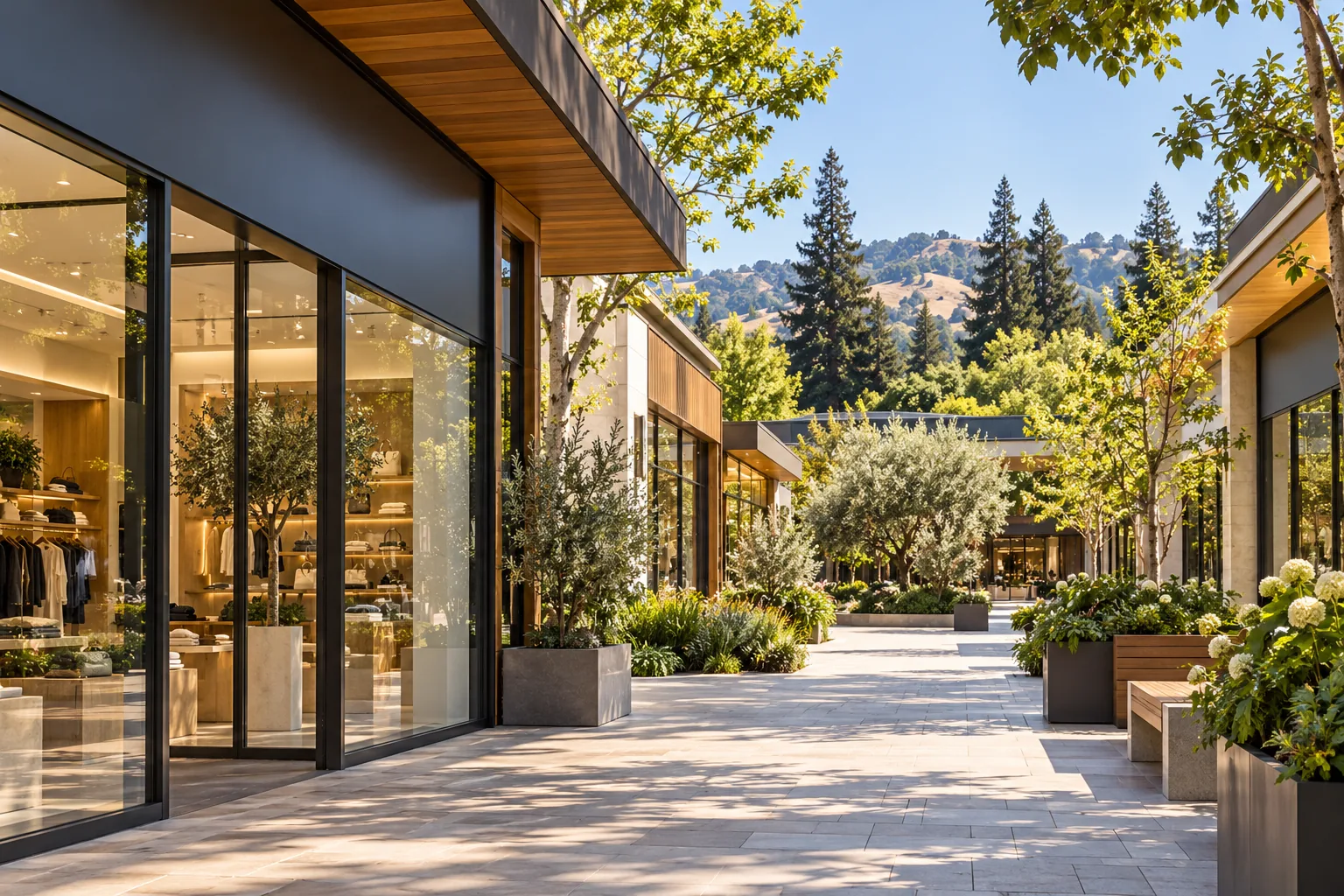
Individual stores look after their own entrances. The center itself is responsible for the walkways, seating areas, parking and service corridors between them, and those areas are where issues tend to arise.
An officer moving through common areas sets expectations. They observe, assist shoppers and give tenants a single point of contact for problems. Coverage can concentrate on afternoon and evening trading hours.
Parking areas warrant regular attention, particularly after dark. An officer nearby as staff leave at closing gives tenants’ employees a safer walk to their cars.
Overnight, randomized patrol can check service entrances and loading areas.
Share the officer’s hours and contact number with tenants and ask them to report issues. Reports go to center management by email and build a record of recurring problems.
Holiday trading brings more visitors and more issues. A center can add hours from late November to early January, which month-to-month terms accommodate easily.
Services
01 / Unarmed
Discreet, approachable officers for offices, campuses and residential lobbies.
View details02 / Patrol
Unscheduled visits by marked patrol cars, each one logged.
View detailsA center’s busiest spots shift through the day. Mornings bring deliveries to service corridors; lunchtime fills food courts and outdoor seating; evenings move activity to restaurants, the parking structure and the walkways between them. A route built around those shifts puts the officer where people are, instead of walking the same loop at the same pace all day.
Timed logs show when each area was visited. Center managers can compare them with tenant complaints and move the route toward the hours that actually generate problems.
Behind the storefronts, corridors connect back doors, trash enclosures and loading bays. They are rarely watched, often poorly lit and used by every tenant’s staff and vendors. An officer passing through on a regular route notices doors left open after a delivery, unfamiliar people waiting near a rear entrance and lights that have failed.
Overnight, these are the first places patrol visits check. Cameras on loading areas pair well with live monitoring during closed hours, so activity at a rear door brings patrol out that night rather than being discovered the next morning.
A street-facing district such as University Avenue or California Avenue has no single owner of the sidewalk. Coverage there can be arranged by a group of merchants or an owner with several storefronts, and the officer’s role is presence along the block, help for staff at closing and a check of rear alleys.
An open-air or enclosed center has defined common areas and one management office, which makes it easier to set rules for the officer and send reports to a single inbox. The retail security page outlines typical plans for both.
Before the walkthrough, gather a site plan that marks entrances, parking, service corridors and loading bays, along with tenant trading hours and any notes management has collected from tenants about recurring trouble. Hours matter most: a center whose restaurants stay open late has a very different evening than one whose shops close at six.
Note which tenants should hear about incidents directly and which matters go to management only. That decision shapes how reports are routed from the first week.
A few useful answers
Yes. Several storefronts can split one plan, with the officer’s route covering each entrance and the alley behind them.
Center management, by email. Management can then pass relevant incidents on to the tenants involved.
Large structures often benefit from patrol visits and live camera monitoring after closing, with the common-area officer covering them during trading hours.